What Open-Back and Closed-Back Mean
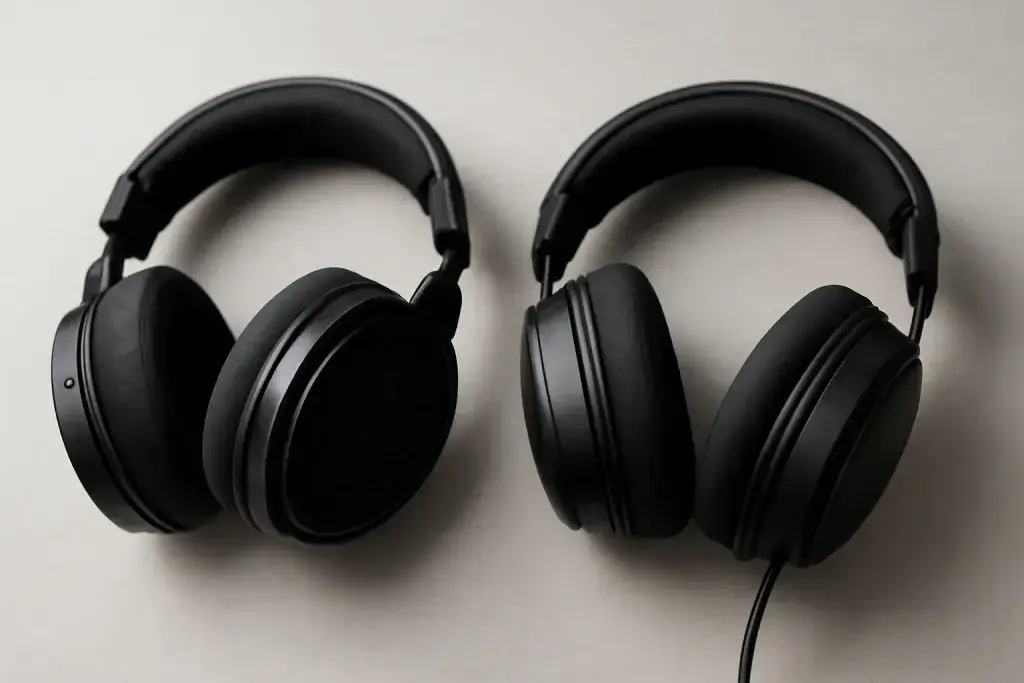
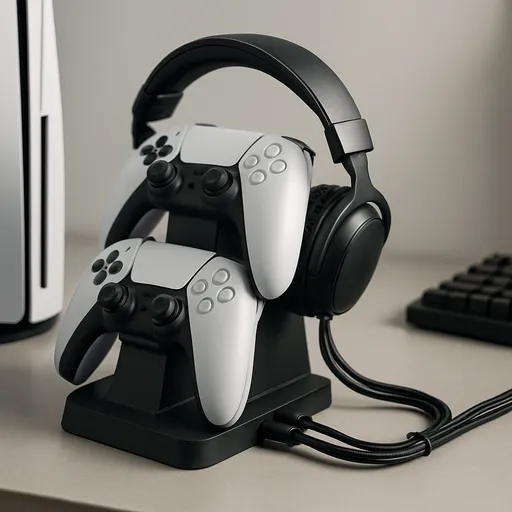
The simplest way to understand the open back vs closed back headset debate is to look at how each cup handles sound and air. An open-back headset has outer cups with vents, grills, or perforations that let air and sound move more freely. A closed-back headset uses sealed earcups that block much more of that exchange. That one design choice changes how a headset feels, how it sounds to people nearby, and how much of the outside world gets in.
Neither style is automatically better. They are built for different priorities. Open-back designs usually aim for a more natural, spacious listening experience. Closed-back designs usually focus on isolation, privacy, and keeping your game audio from spilling outward. If you are shopping for a gaming headset, that basic split is the first thing to understand before looking at mic quality, comfort, or platform support.
It also helps to think about your room and your habits. If you play in a quiet space and want a more open feel, an open-back model can make sense. If you share a room, play late, or need to stay focused while blocking out background noise, a closed-back model is often the more practical choice.
How Open-Back Headsets Behave in Use
Open-back headsets are designed so air and sound can pass through the earcups more easily. In practice, that tends to create a lighter, less sealed feeling around the ears. Many people describe the experience as more breathable and less claustrophobic than fully closed designs. Because the cups are vented, heat and pressure can feel less intense during longer sessions, though comfort still depends on the headband, clamp force, ear pad material, and overall fit.
The most important trade-off is sound leakage. Audio from an open-back headset can be heard by people nearby, especially at higher volumes. At the same time, outside noise enters more easily, so keyboard clicks, fans, conversations, and room noise may remain noticeable while you play. That means open-back models tend to work best in quiet environments where you do not need strong isolation.
For gaming, the appeal is often the sense of space. Open-back tuning is commonly chosen by players who want a more airy soundstage and a presentation that feels less boxed in. That can be attractive for story games, single-player sessions, and any setup where immersion matters more than privacy. Still, the exact sound signature depends on the headset model, so the design alone does not guarantee a particular audio style.
How Closed-Back Headsets Behave in Use
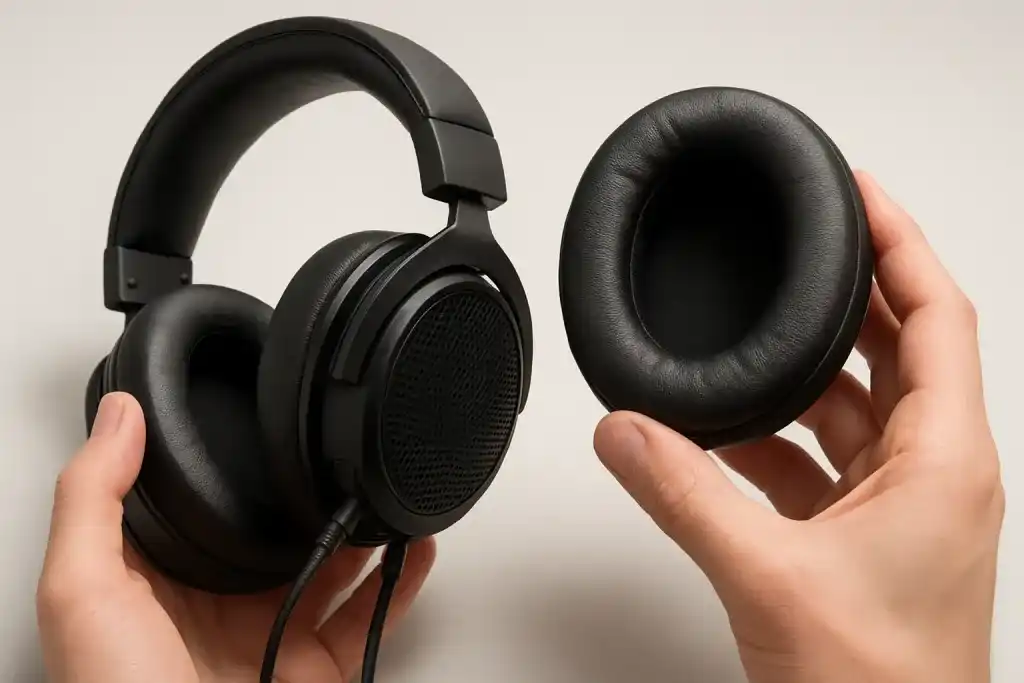
Closed-back headsets use solid earcups to help contain sound. This makes them the more familiar choice for many gaming headsets because they are easier to use in a broader range of environments. If you are in a busy home, near roommates, or in a room with a lot of ambient noise, a closed-back headset usually makes it easier to focus on the game without hearing every distraction around you.
They also help keep your audio private. Game music, dialogue, and voice chat are less likely to spill out into the room, which matters if you game near other people or do not want to disturb anyone nearby. For players who use voice chat often, this can be a meaningful everyday benefit.
Closed-back designs can feel more enclosed than open-back models. Some users like that sealed sensation because it helps the headset feel immersive. Others notice that heat can build up more quickly over long sessions, depending on the materials used and the shape of the earcups. That does not make them uncomfortable by default, but it is a difference worth considering if you are sensitive to a warmer fit.
Sound and Immersion Trade-Offs
When people compare an open back vs closed back headset, sound character is usually the first thing they talk about. Open-back designs are often associated with a wider, less congested presentation. That can make music, ambient effects, and directional cues feel more spread out. In games, this may contribute to a sense of space that feels more natural, especially in titles with large environments or atmospheric audio.
Closed-back headsets tend to create a more isolated listening bubble. Because the cups are sealed, the outside world is less present, which can make game audio feel more immediate and direct. Some players prefer that concentrated feeling, especially if they want a headset that makes it easier to tune out household noise or stay focused on competitive matches at home.
The trade-off is that neither style solves everything. Open-back headsets are not automatically more detailed, and closed-back headsets are not automatically more bass-heavy or more immersive. Driver quality, tuning, pad seal, and fit all matter. The main difference is the environment they create: open-back for airflow and openness, closed-back for isolation and containment.
Shop on Amazon
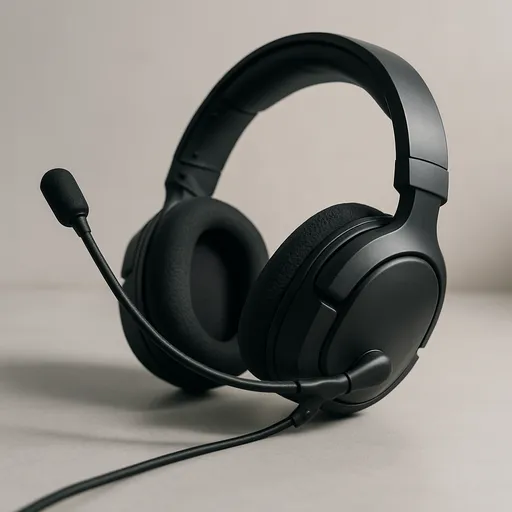
SponsoredAs an Amazon Associate, GameGearLab earns from qualifying purchases. Affiliate disclosure. Images are generic illustrations, not the exact listing.
-
Gaming Headsets
A general starting point for browsing gaming headsets, covering wired and wireless options across consoles and PC.
Browse gaming headsets on Amazon: Gaming Headsets on Amazon -
Gaming Monitors
A general starting point for browsing gaming monitors, covering common refresh-rate and resolution tiers.
Browse gaming monitors on Amazon: Gaming Monitors on Amazon -
Gaming Chairs
A general starting point for browsing gaming chairs, covering common adjustability features to look for.
See gaming chair options on Amazon: Gaming Chairs on Amazon -
Gaming PCs
A general starting point for browsing gaming PCs and components, covering common configuration tiers.
Browse gaming PCs on Amazon: Gaming PCs on Amazon -
Console Accessories
A general starting point for browsing console and setup accessories, covering stands, hubs, and cable routing tools.
Browse console accessories on Amazon: Console Accessories on Amazon -
Controllers
A general starting point for browsing controllers, covering standard and alternative layouts for PC and consoles.
See controller options on Amazon: Controllers on Amazon -
Gaming Keyboards
A general starting point for browsing mechanical gaming keyboards, covering common layouts and switch styles.
Browse gaming keyboards on Amazon: Gaming Keyboards on Amazon -
Gaming Mice
A general starting point for browsing gaming mice, covering common shapes and grip-friendly designs.
Check current mouse options on Amazon: Gaming Mice on Amazon
Privacy, Noise, and Shared Spaces
The most practical way to choose between these designs is to think about who else is in the room. Open-back headsets leak more sound both ways. That means your game audio can bother others, and their noise can bother you. If your setup is in a shared bedroom, apartment, dorm, or family room, that can be a dealbreaker even if you like the sound.
Closed-back headsets are usually the safer choice for shared spaces because they keep audio more contained. They can also make voice chat less disruptive to the people around you. If you often play at night or while someone else is working, reading, or sleeping nearby, the added privacy of a closed-back headset is often more valuable than the airy feel of an open-back model.
There is also the matter of outside distractions. If you game in a noisy room, a closed-back headset can help reduce what reaches your ears, though it will not make a loud room silent. If you want to hear everything around you while still using your headset, open-back may be preferable. The key is matching the headset type to how noisy your real environment actually is.
Comfort and Long-Session Feel
Comfort is personal, but the open-back vs closed-back headset choice can influence how a headset feels after an hour or two. Open-back models often feel less sealed and can seem more breathable because of the vented cup design. For some people, that can make long sessions more pleasant, especially in warmer rooms.
Closed-back models may feel more enclosed, and some users notice more warmth around the ears over time. That does not mean they are uncomfortable by default. Plenty of closed-back headsets are designed with soft pads, balanced clamp force, and lightweight builds. The point is that the sealed structure can change the way heat, pressure, and airflow are perceived during use.
Fit still matters more than the design category alone. A well-shaped closed-back headset can feel better than a poorly fitting open-back model, and vice versa. Look at headband padding, ear cup depth, ear pad material, and whether the headset tends to press on glasses or jawline. Design helps set expectations, but personal fit decides the final result.
Which One Fits Your Gaming Needs
If your priority is immersion in a quiet room, an open-back headset can be appealing because it tends to feel airy and less boxed in. It can be a strong match for single-player games, relaxed sessions, and setups where you want a more open presentation. The trade-off is that you give up privacy and noise blocking.
If your priority is versatility, a closed-back headset usually has the edge. It works in more situations because it blocks more external noise and keeps your audio from escaping as easily. That makes it a practical pick for mixed-use households, late-night gaming, voice chat, and anywhere you need a little more separation from the room around you.
For console, PC, or handheld use, the open back vs closed back headset question is less about platform and more about environment. Either style can work across gaming setups if the connection type and features match your device. The bigger question is whether your room supports open sound or demands more isolation.
How to Choose Confidently
Start with your room, not the spec sheet. If you share space with others, want privacy, or need to cut down on background noise, closed-back is usually the safer bet. If you mainly play alone in a quiet room and care about an open, airy feel, open-back may suit you better. That simple check solves a lot of confusion.
Next, think about what matters most to you day to day. Is it a more breathable feel, or more isolation? Do you want to avoid leaking sound, or do you want to minimize the sense of being sealed in? These are practical questions, and they matter more than marketing language. A headset can look premium and still be the wrong style for your setup.
It is also worth remembering that there is no universal winner in the open back vs closed back headset choice. Each design makes a different compromise. Open-back models trade privacy for openness. Closed-back models trade some airflow for better containment. Once you accept that basic trade-off, choosing becomes much easier and a lot less guesswork-driven.